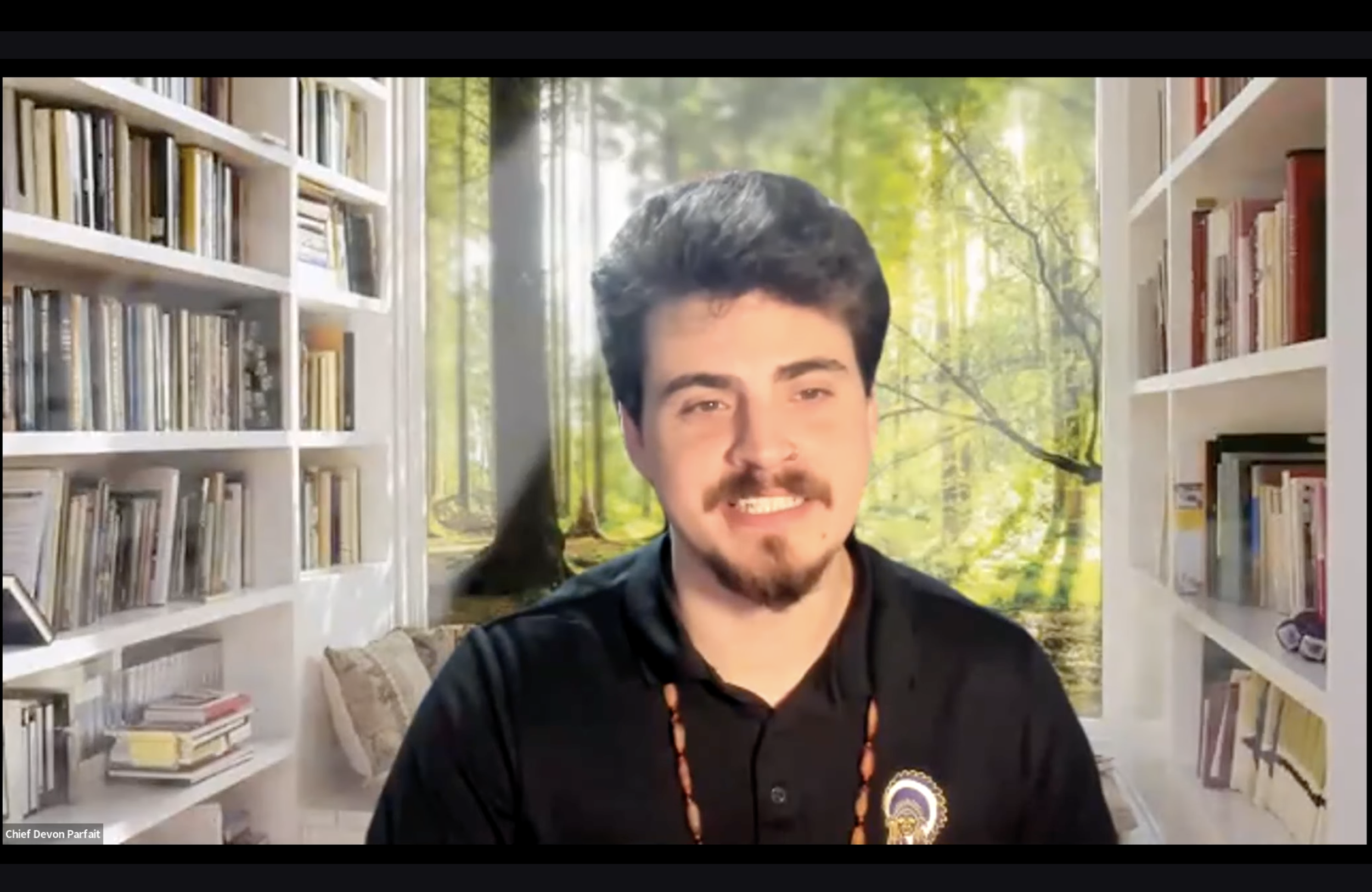
Lunch & Learn Workshop: Building Trust through Community-Led Flood Resilience Planning
On 6/11/26, the Hudson Valley Flood Resilience Network hosted an interactive virtual workshop with presentation from Chief Devon Parfait, Grand Caillou/Dulac Tribe, and facilitation from Kristin Marcell, Climigration Network.
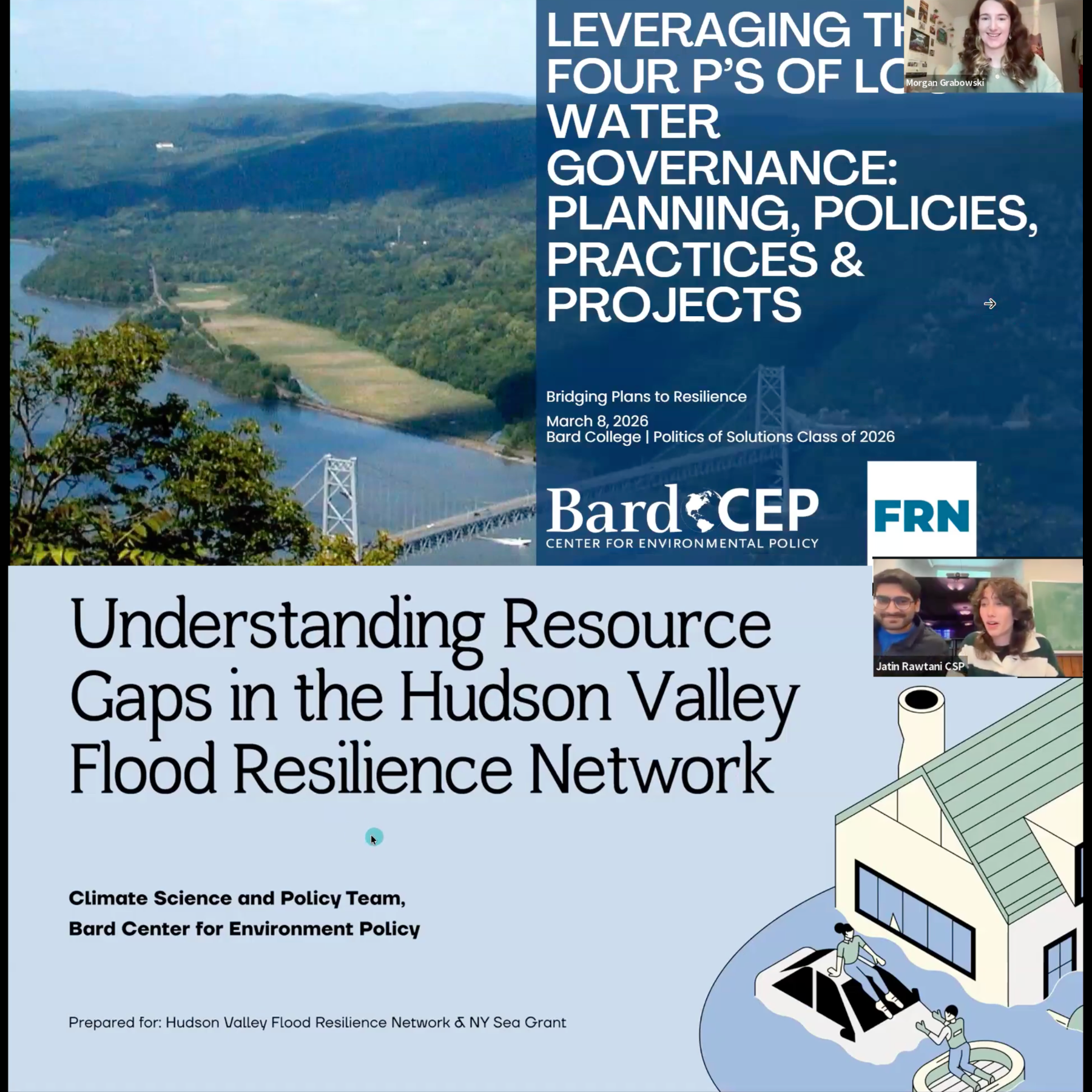
Lunch & Learn: Bard Student Presentations - Politics of Solutions, Spring 2026
In spring 2026, the Hudson Valley Flood Resilience Network partnered with the Bard College Center for Environmental Policy’s Politics of Solutions class. On 5/8/26, graduate students from this class presented findings from two projects to help advance Hudson Valley Flood Resilience Network goals.
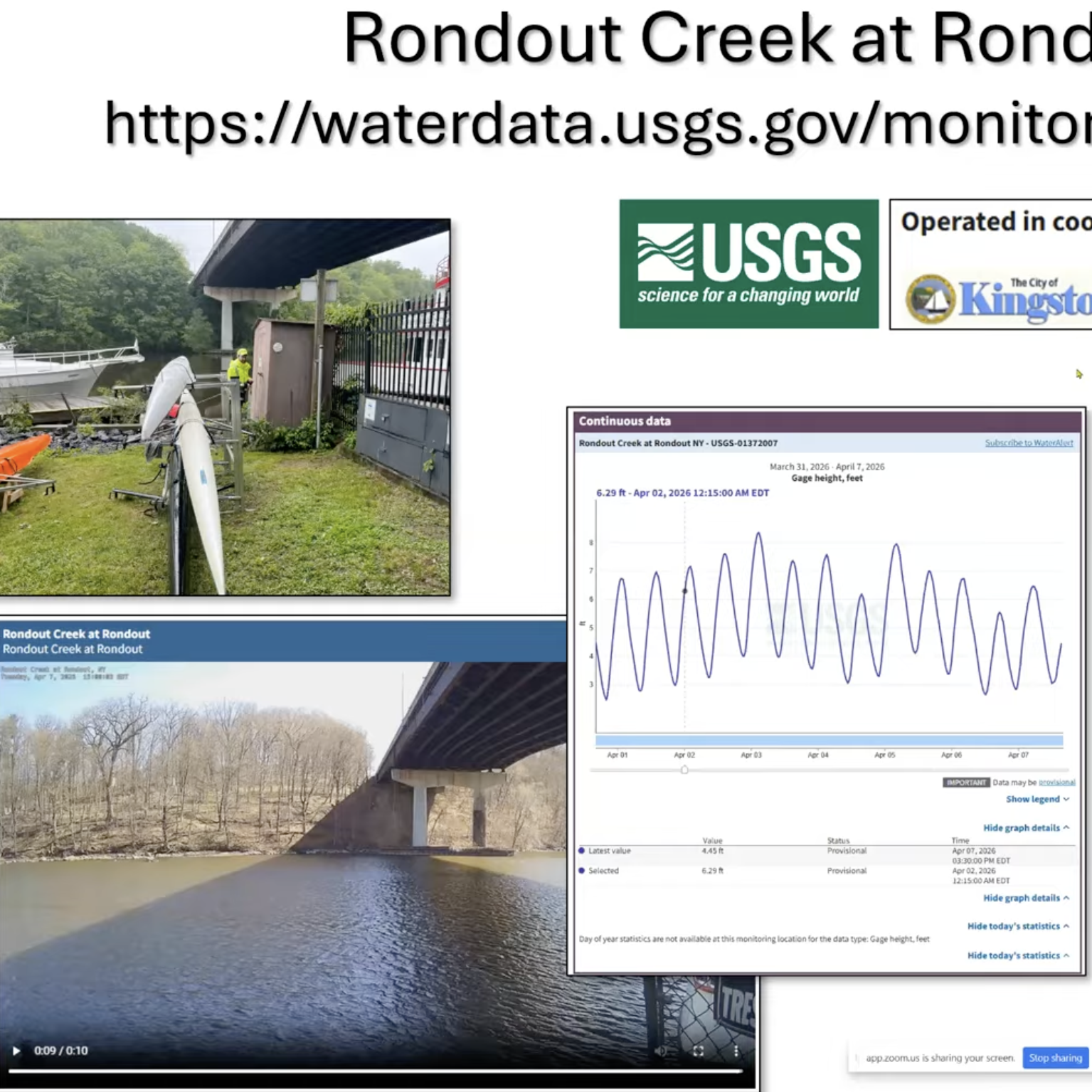
Lunch & Learn: New Rondout Creek USGS River Gage, A Local Flood Preparedness Case Study
The City of Kingston installed a new river gage near the mouth of the tidal Rondout Creek in summer 2025, in partnership with the U.S. Geological Survey (USGS). At this Lunch & Learn webinar on 4/9/26, we heard how the project started, context for regional water level datasets, how to have a gage installed in your community, and how it’s being used in Kingston to design a local flood forecast system to support emergency response.
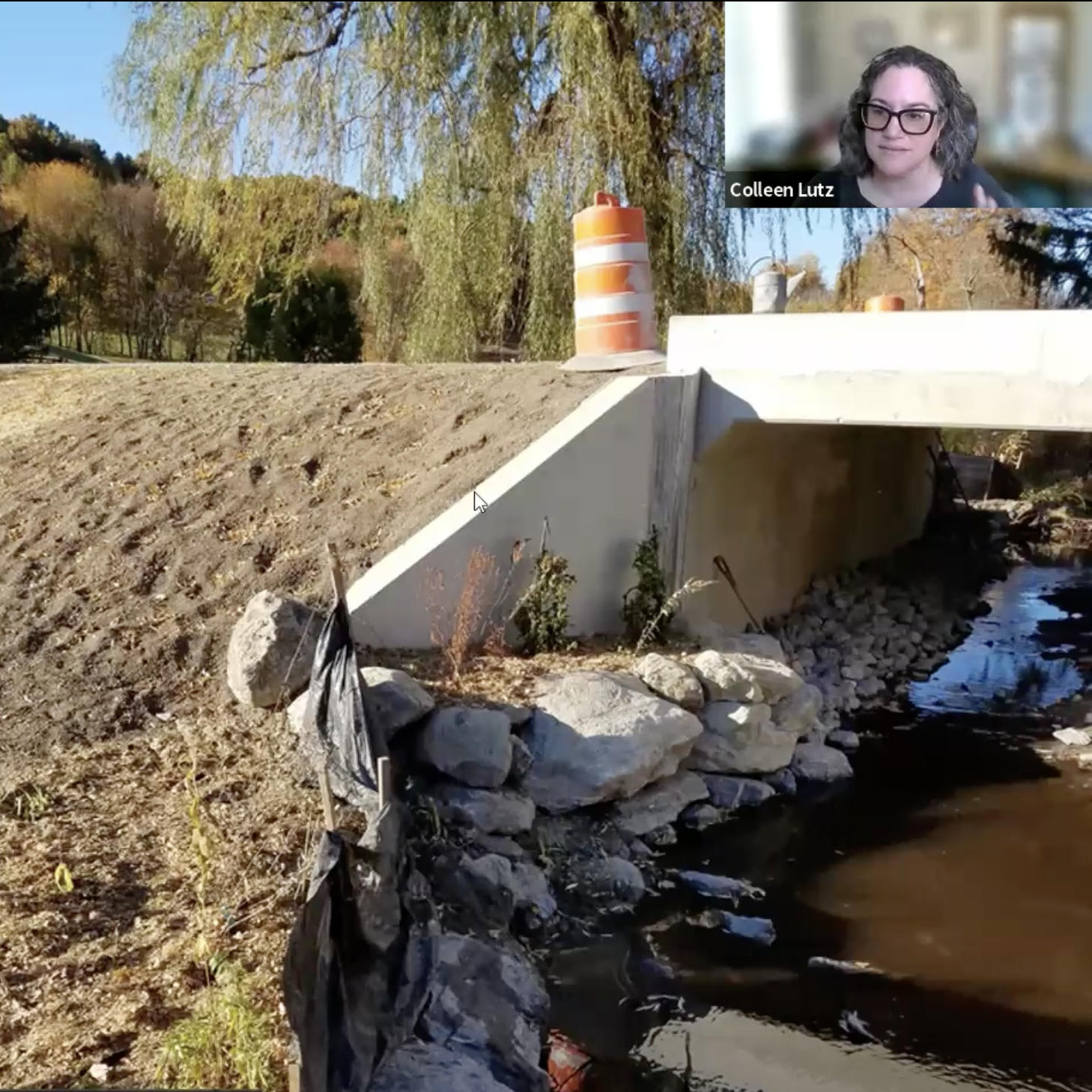
Lunch & Learn: Finding Funding for Culvert Right-Sizing
Undersized culverts are a major contributor to flood risk, and can have negative impacts to fish, wildlife, and public safety. At this Lunch & Learn webinar on 3/11/26, we heard from two Flood Resilience Network Members with experience applying for funding to implement culvert replacements in their communities.
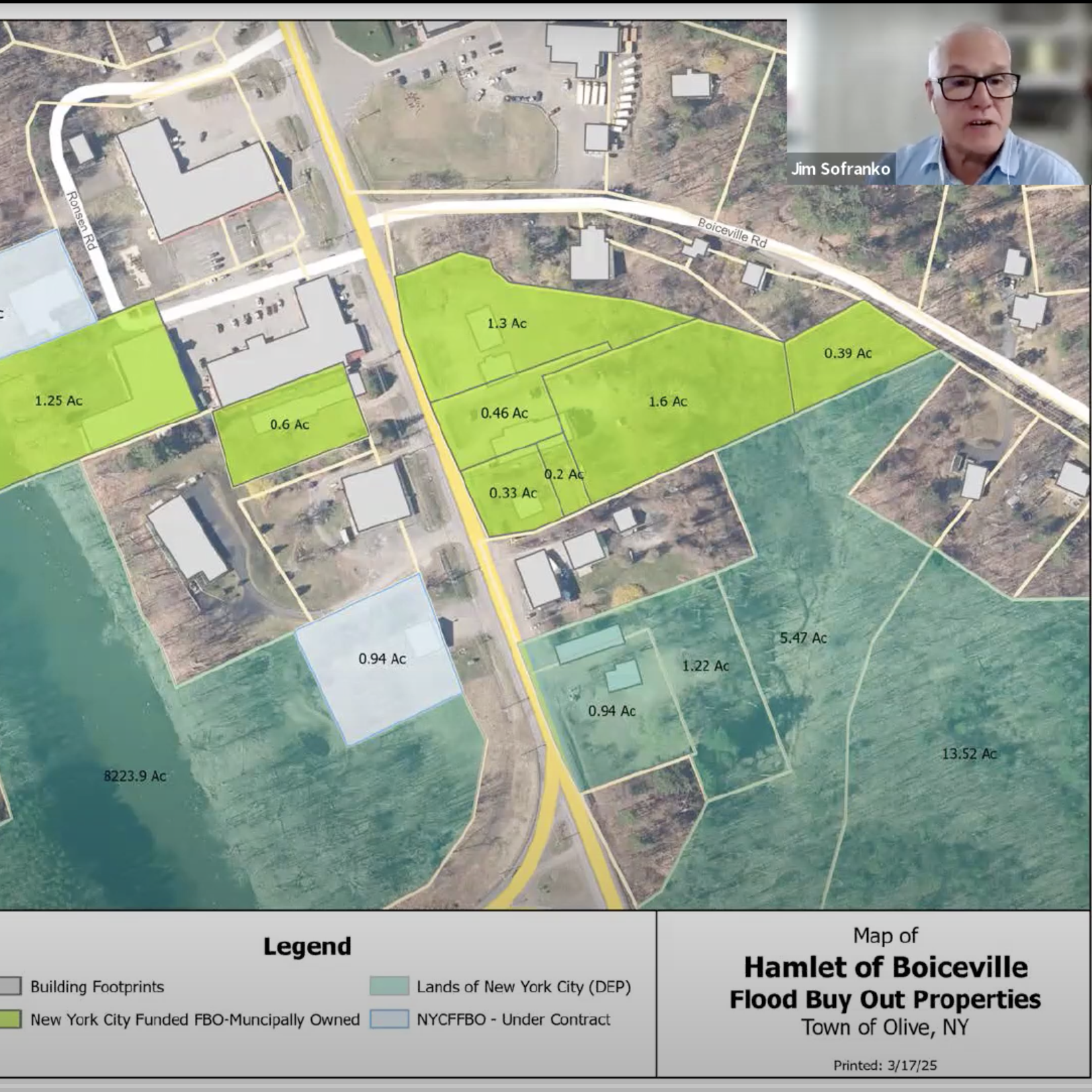
Lunch & Learn: Town of Olive uses NYC-Funded Flood Buyout Program to Build Resiliency
On September 18, Jim Sofranko, Supervisor of the Town of Olive, and Heidi Emrich, Ulster County Environmental Planner working to support the Ashokan Watershed Stream Management Program, shared the town’s experience working through the New York City-funded Flood Buyout Program (FBO), and the decisions the town and landowners have faced when planning for the future of flood-prone properties, especially along Route 28 in Boiceville.
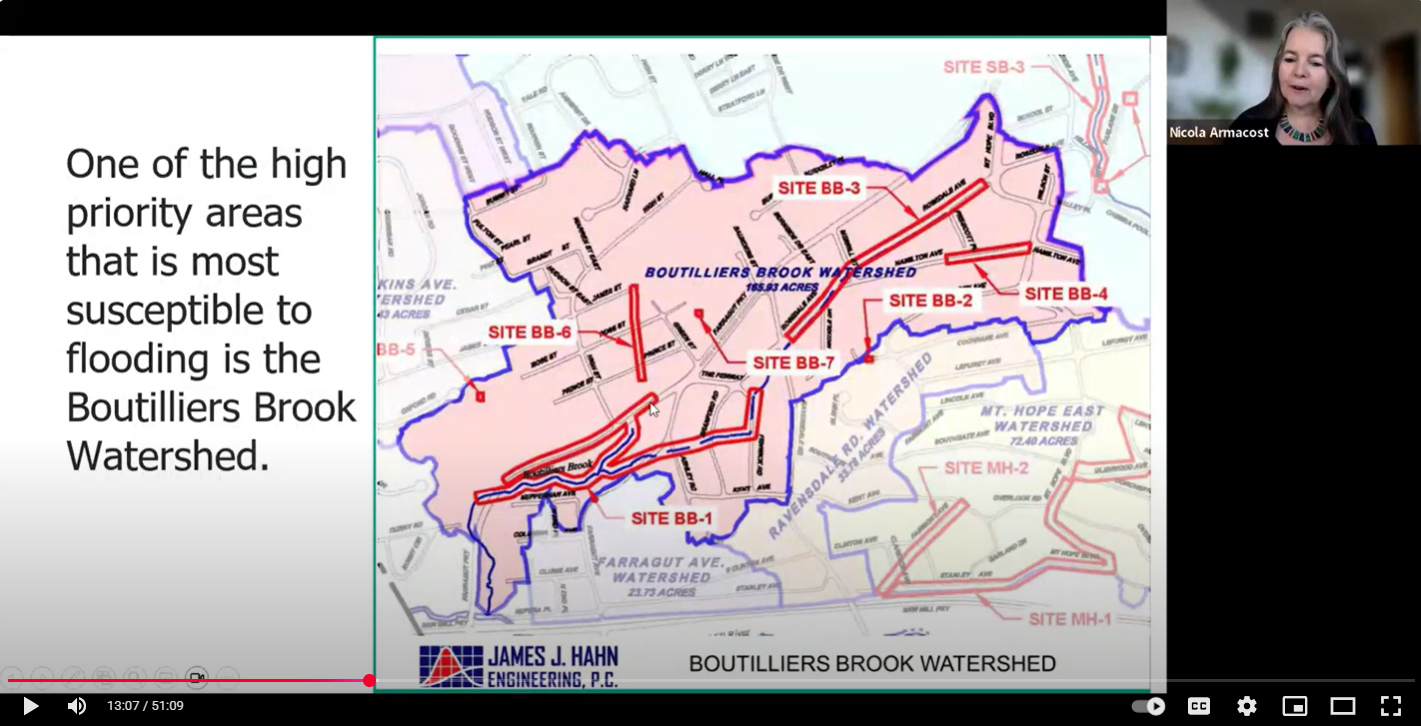
A Stormwater Solution in Hastings-on-Hudson
In 2024, the Village of Hastings-on-Hudson was recently awarded $2.5 million through the NYS Green Resiliency Grant (GRG) Program for the construction of a detention pond and drainage bypass that will reduce peak flows and mitigate the persistent and destructive flooding experienced in a residential area.
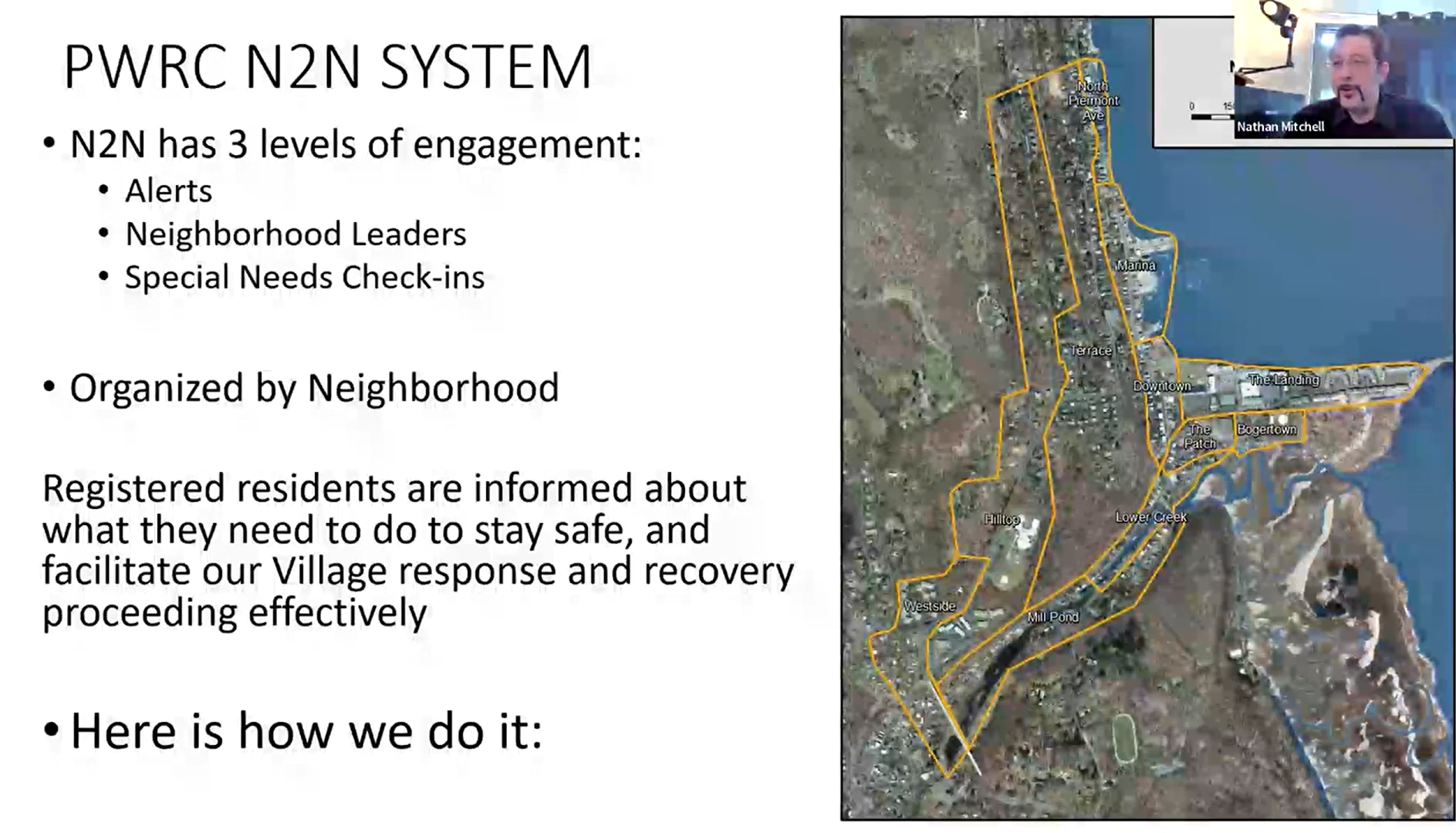
Lunch & Learn: Piermont’s Neighbor to Neighbor (N2N) Alert System
The Piermont Waterfront Resiliency Commission created the Neighbor to Neighbor (N2N) Alert System to share information on flood risks with residents.
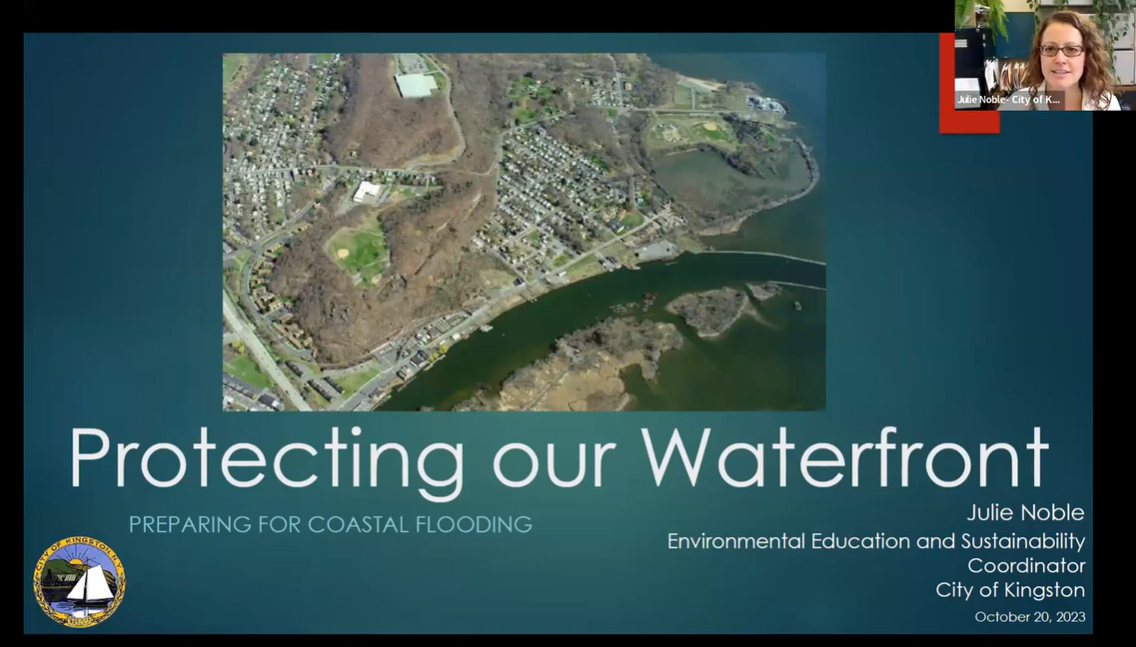
Lunch & Learn: Preparing for Coastal Flooding with the Stevens Flood Advisory System
Coastal flooding along the Hudson River will continue to happen more frequently due to sea level rise-driven higher tides and storm surge. Thankfully, our estuary waterfront communities have had an important resource in preparing for these floods since 2010: the Stevens Flood Advisory System (SFAS).
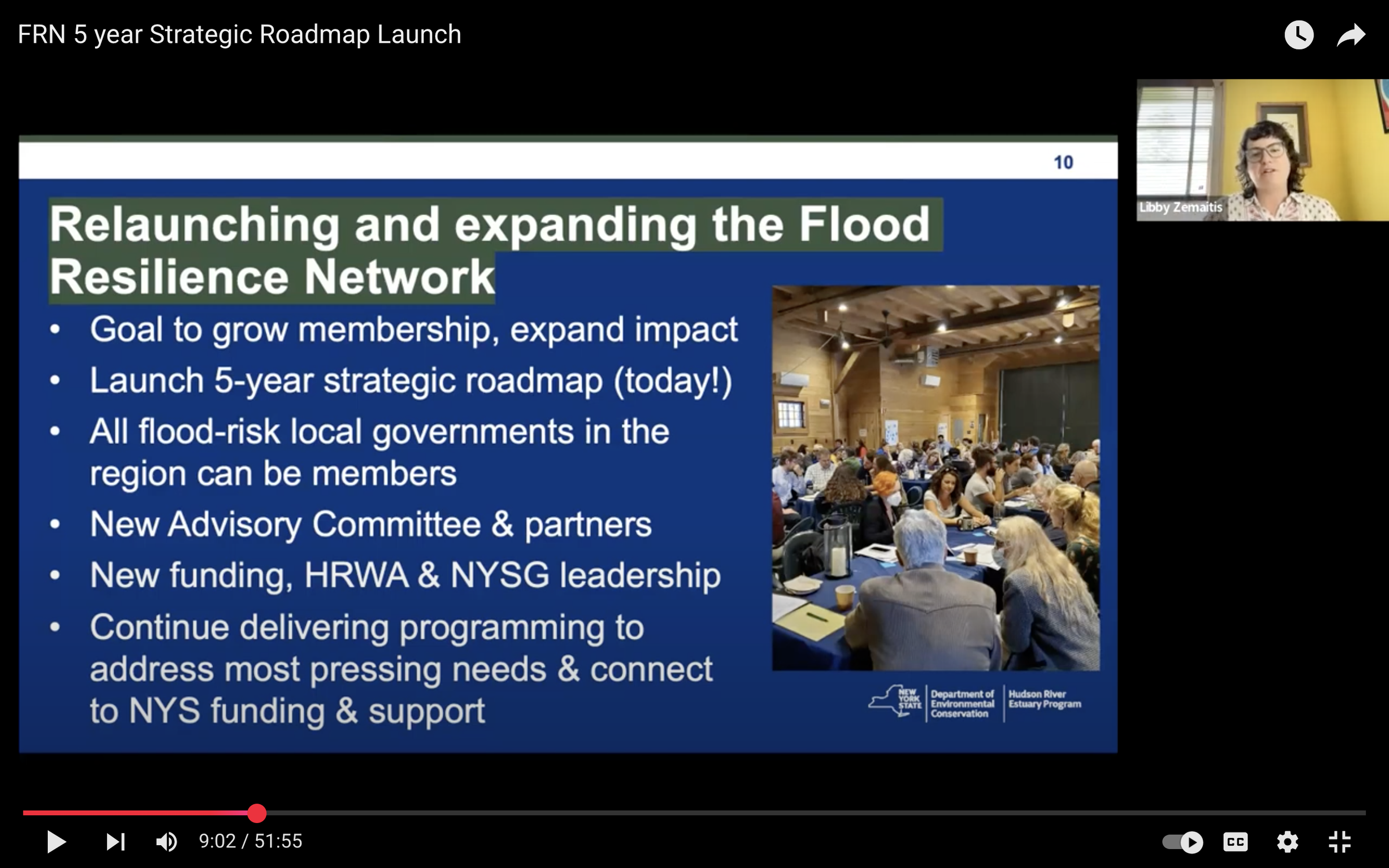
Flood Resilience Network Five-Year Strategic Roadmap
At this Lunch & Learn on May 11, we launched the Hudson Valley Flood Resilience Network (FRN) new five-year Strategic Roadmap. The webinar described FRN’s mission and goals, the new membership structure, and ways we will be expanding the network and its offerings in the years ahead.
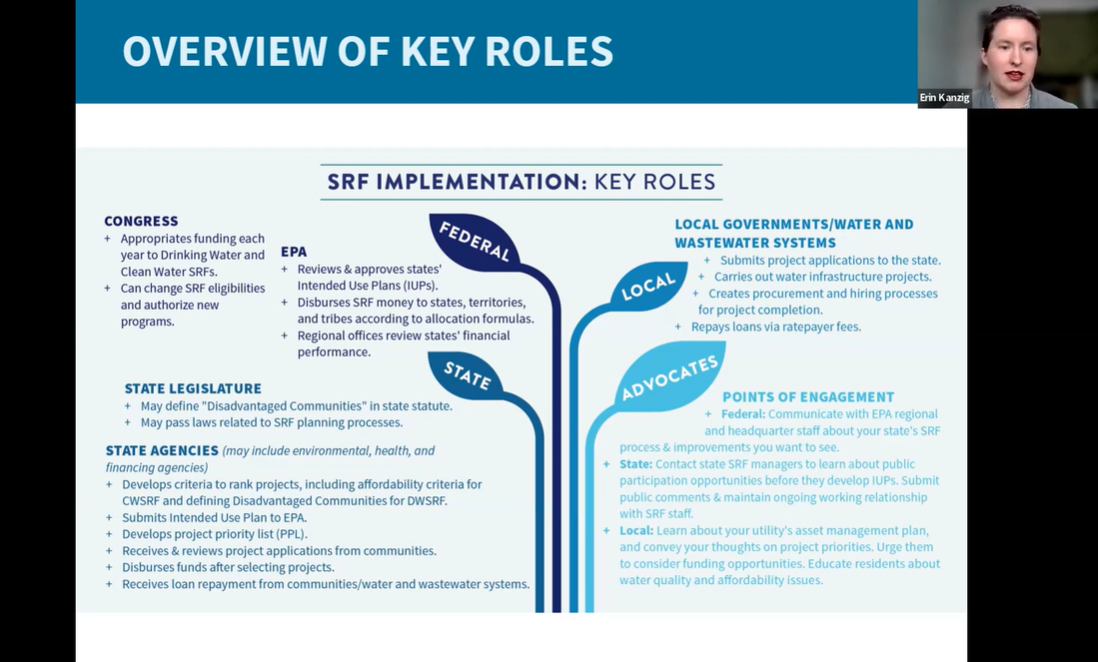
Lunch & Learn: State Revolving Funds Program Overview
The Clean Water and Drinking Water State Revolving Funds (CWSRF and DWSRF) represent the largest source of federal funding for water infrastructure. The SRFs are intended to support communities across the country by increasing their financial capacity to take on large water infrastructure projects, including addressing flooding concerns.